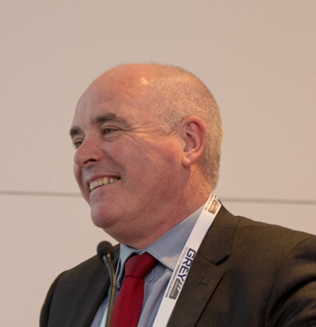
Cytophenix is pleased to announce Peter Bradley has joined the company as Chief Commercial Officer. Peter has over 30 years’ experience in innovative product development, diagnostic and medtech business development and as an international commercialisation executive.
He will take on responsibility for establishing partnerships that will accelerate the commercial development FloCASTTM – the next generation rapid antimicrobial susceptibility test (AST) platform.
Peter is currently Managing Director and principal consultant of Qatalyst and was previously VP Global Business Development at LBT Innovations (now Clever Culture Systems ASX:CC5), Chief Business Development Officer at Innate Immunotherapeutics (now Amplia Therapeutics ASX: ATX), CEO at KODE Biotech (NZ), and Non-executive Director at Biosensis, having started his career as Product Development and Regulatory Affairs Manager at CSL Limited (ASX: CSL).
About Cytophenix
Cytophenix is a medical technology company developing an AI-powered, cloud-hosted platform, FloCAST™ which is designed to help clinicians administer the right antibiotics in hours instead of days, saving lives and helping to combat antimicrobial resistance globally. The company has its origins in the labs of The Harry Perkins Institute of Medical Research and the University of Western Australia, and is based at the Centre for Entrepreneurial Research and Innovation (CERI) in Perth. Cytophenix closed a successful pre-seed round in Q3 2025 raising $1.32 M and has partnered with Three Springs Technology for development of its proprietary software. Find out more and connect here: https://cytophenix.com/
The need for rapid AST
For patients with serious infections, like the bloodstream infections that cause sepsis, getting the right antibiotic is a time critical emergency. Every hour without the right antibiotic results in ~ 9% increased risk of death. With timely AST results, doctors can have certainty about the best antibiotic to use, and this helps them protect antibiotics from misuse and overuse, which helps address the growing global threat of antimicrobial resistance (AMR), as well as freeing up hospital beds.